Packing a Small Wardrobe for a Two-Day City Break
Packing a small wardrobe for a two-day city break is easier when colours connect, layers repeat and each choice earns its place on your itinerary.
You have a train to catch, a weather app open and a half-packed bag on the bed. Packing a small wardrobe for a two-day city break gets simpler when you plan around one colour connection, repeatable layers and the actual shape of your days—not a fresh outfit for every stop.
Read the itinerary
Start with the activities, not the clothes. Note what you will do in sequence: travel, walk, visit a gallery, eat somewhere smart, then head back out in the evening. The order matters because a garment worn for the longest stretch should be comfortable and adaptable, while a brief change of setting may need only a small adjustment.
Check practical details that affect clothing: expected weather, indoor heating, whether you will carry your bag all day, and any dress code for a restaurant or event. Look at the route too. A day with long walks calls for shoes you already know are comfortable; a day centred on public transport may make a slightly smarter outfit easier to manage.
Write down the parts of the itinerary that genuinely call for different clothing. A wet-weather walk and a dinner reservation may need distinct choices. A coffee stop, a museum and a casual lunch usually do not each need their own outfit.
Choose a colour connection
Pick a base colour already present in clothes you like wearing, such as navy, charcoal, olive or cream. Add one supporting neutral and, if you want, a small accent colour. The aim is not to make every item identical; it is to let tops, bottoms and layers combine without a negotiation each morning.
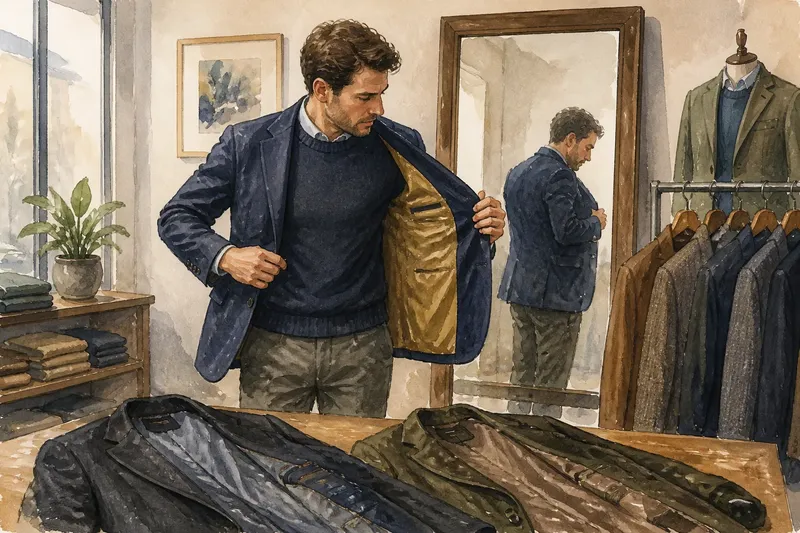
Lay out the candidates and check them together in daylight. A navy knit can sit comfortably with dark denim, but a particular black jacket may make the combination feel disjointed. Texture and shade both count: a soft cream shirt and a crisp white T-shirt are close in colour but give different impressions.
Let accessories carry a little variation. A scarf, belt or small pair of earrings can change the mood of repeated clothes while taking less room than a second jacket. Keep the accent easy to coordinate rather than introducing a colour that works with only one item.
Build repeatable layers
Choose clothes that work in more than one arrangement. A simple shirt can sit under a jumper, over a T-shirt or on its own; a cardigan or light jacket can add warmth indoors and outdoors. Prefer pieces that are comfortable against the skin and do not feel awkward when another layer is added.
Now choose a bottom or dress for each main stretch of the trip, rather than for every calendar slot. Repeating trousers is often straightforward if they remain comfortable and suit both daytime and evening plans. A dress can also do double duty when a cardigan and more polished shoes shift its feel.
Think about fabric behaviour, not just appearance. A knit that creases easily or trousers that need careful pressing may be irritating after a long journey. Check the care label and maker’s instructions for any garment whose washing or handling requirements affect your plans.
Pack in itinerary order
Make a short outfit map before putting anything in the bag. Assign each combination to a time or activity, then check whether the same item appears too often in incompatible settings. This is where a small wardrobe becomes useful: a change of top or layer can refresh a familiar base without creating a pile of spare clothes.
Say you are leaving by train on Friday, walking through a city on Saturday and booking a relaxed dinner that evening, then travelling home on Sunday. You might wear dark trousers and a T-shirt for the journey, add a navy cardigan for the gallery, and change to a clean shirt for dinner while keeping the trousers. On Sunday, the same trousers and a different top can make the return trip feel fresh; the observable result is a bag containing clothes matched to the plan rather than several unused alternatives.
Before packing, try each combination on and move around in it. Sit, reach for a bag and walk a few steps. If a waistband pinches, a shirt pulls under a jumper or shoes rub indoors, that outfit is unlikely to improve once you are out for the day.
What belongs in the bag?
How many outfits should I plan?
Plan combinations for the itinerary, allowing a useful repeat rather than assigning a separate outfit to each moment. Include a clean top for a change that matters, but let comfortable bottoms and layers serve more than one stretch where practical.
Which shoes should I bring?
Choose the pair suited to the longest or most demanding part of the trip, then consider a second pair only if the itinerary or dress code gives it a clear job. Wear the roomier or heavier pair in transit to keep the bag lighter and preserve space.
Should I pack for rain?
Use the forecast and your route to decide whether a compact umbrella, a water-resistant outer layer or both make sense. A light shower on a short walk and a full day outdoors call for different preparations, so match the choice to your plans.
How can I avoid overpacking?
Remove any item that does not complete an outfit or solve a specific itinerary need. If it only works with one other piece, ask whether that combination is important enough to carry both.
Make the final edit
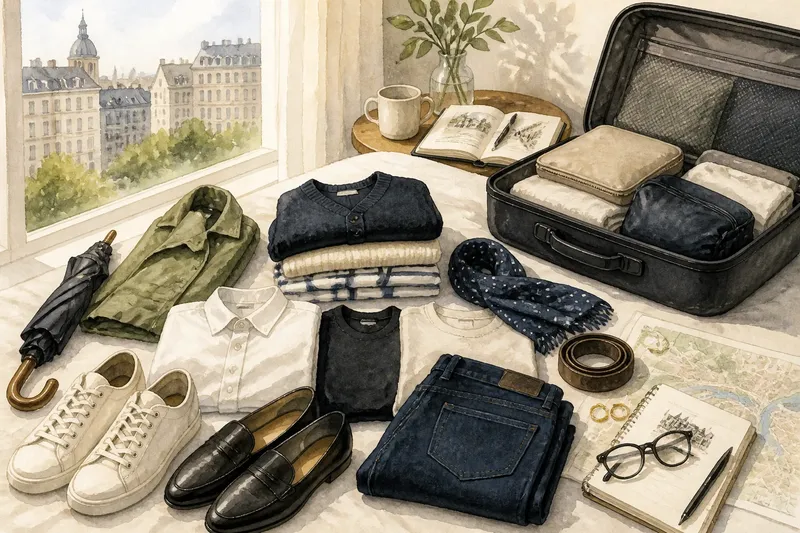
Put the planned clothes together on the bed and remove duplicates: the second top that serves no distinct purpose, the extra layer that is too warm to wear over anything, or the shoes that suit no scheduled activity. Keep small essentials such as underwear and sleepwear separate in your count; they do not need to share the same styling logic.
Use a fabric tote or packing cube to keep clean clothes together, and leave a little room for a damp umbrella or a garment you have worn. There is little value in rolling every item with elaborate precision if the bag is already easy to close; tidy packing should make finding things easier, not become another task.
For packing a small wardrobe for a two-day city break, the useful test is whether each piece connects to the itinerary and to at least one other item. Set the bag beside your route notes before leaving: if the clothes support the day you actually have planned, rather than an imagined parade of occasions, you are ready to go.